
What Is Broken Window Theory?
Broken window theory is a crime prevention theory that suggests visible signs of disorder, such as vandalism, broken windows, graffiti, or abandoned property, can make an area more vulnerable to crime. When a community looks neglected, people may assume no one is watching. This perception increases the chance that more serious offenses will occur.
This concept shaped community safety policies, law enforcement strategies, and city planning for decades. It continues to influence discussions about proactive policing and how agencies can reduce fear of crime by maintaining visible order.
For safety and security personnel, including law enforcement, private security, the military, and emergency management, the theory offers a useful framework: address small risks early to prevent larger problems later.
Today, agencies may also use tools such as mobile surveillance towers or solar surveillance trailers to create temporary but highly visible monitoring in areas showing early signs of disorder.
Origins of Broken Window Theory
The theory began in academic research but quickly became part of real-world policing and public safety operations. Understanding both sides helps explain why it continues to influence modern strategies.
Academic Foundations
Broken window theory was introduced in 1982 by social scientists James Q. Wilson and George Kelling. They used the example of one broken window that is left unfixed. If it stays damaged, more windows may eventually break. Graffiti appears. Trash builds up. The space feels abandoned.
Their message was clear:
- Neglect encourages more neglect.
- Visible disorder signals that no one is in control.
- People behave differently when an area feels uncared for.
This idea became known as broken window criminology and influenced how cities and agencies think about crime prevention.
Adoption in Policing
In the 1990s, there were several U.S. police departments that adopted the theory as a model for their law enforcement strategies. New York City became the most widely discussed example. Agencies focused on minor violations, increased patrol visibility, and other forms of proactive policing to prevent larger crimes.
During that same period, the national violent crime rate peaked in 1991 and then declined through the end of the decade. This long-term drop in serious offenses coincided with broader shifts in policing strategies and urban policy across the country.
Applications in Law Enforcement and Public Safety
Broken window theory progressed from academic study to practical fieldwork. Today, its principles guide decision-making in multiple sectors. Below are the three areas where the theory remains most relevant.
Law Enforcement Strategies
Many agencies apply broken window principles when designing proactive policing programs. Officers may focus on:
- Consistent patrols
- Quick responses to vandalism, graffiti, or trespassing
- Attention to minor violations that signal early disorder
- Partnering with city services to maintain public spaces
Surveillance also plays a major role. Agencies often rely on fixed cameras, elevated systems, and real-time monitoring to strengthen situational awareness. These practices connect closely with approaches discussed in police patrol security camera strategies, which emphasize the value of visibility and environmental awareness in preventing escalation.
To support this work, some teams deploy mobile surveillance towers or solar-powered surveillance trailers to extend coverage in areas where early signs of disorder may appear. These elevated platforms help maintain visibility and reinforce a sense of order across public spaces.
Solar Surveillance Trailers and Broken Window Strategy
Broken Window Theory focuses on addressing visible disorder before it escalates. In modern public safety operations, that often means increasing visible guardianship in areas experiencing early signs of vandalism, trespassing, or illegal dumping.
Solar surveillance trailers provide a rapid-deployment solution for creating that visible presence. These mobile platforms elevate cameras and lighting, reinforcing the perception that an area is actively monitored.
Because they operate without fixed power infrastructure, they can be deployed in parks, vacant properties, parking lots, construction sites, or temporary event locations. This flexibility allows agencies to respond quickly to emerging problem areas without waiting for permanent installations.
In this way, mobile surveillance trailers support the same core principle behind Broken Window Theory: intervene early, maintain visible order, and prevent escalation.
City Policy and Urban Planning
Broken window theory has influenced community safety policies for decades. Many cities have invested in:
- Better lighting
- Public space maintenance
- Rapid graffiti removal
- Clean and safe transit corridors
- High-visibility security equipment
Urban planners also rely on tools that support visibility and environmental maintenance. Solutions such as light towers help create safer and more visible public spaces, especially in areas where early signs of disorder may develop.
A randomized field study published through the National Bureau of Economic Research found that installing improved lighting in high-crime public housing areas reduced nighttime outdoor crime by 36%. This supports the idea that visible maintenance and environmental improvements can strengthen community safety.
Military and First Responder Relevance
The theory also applies to military and emergency operations. For example:
- Military bases rely on well-maintained perimeters to deter threats.
- Emergency managers know that damaged infrastructure can increase panic or disorder.
- Base security teams understand that ignoring early warning signs can compromise readiness.
In each case, visible order increases confidence and reduces vulnerability. This focus on maintaining stable, well-organized environments also supports faster decision-making during crises. For teams responsible for large-scale coordination, even small signs of disorder can signal operational gaps that require immediate attention.
Benefits of Broken Window Theory in Practice
When applied with balance, the theory provides several advantages for public safety agencies.
1. Reduced Fear of Crime
A clean and orderly environment helps people feel safer, which improves:
- Community trust
- Willingness to report suspicious activity
- Cooperation during emergencies
Visible maintenance also sends a message that spaces are monitored and cared for, which can reduce uncertainty during large events or public gatherings.
2. Support for Proactive Policing
Fixing small issues early prevents larger problems later. This approach helps teams stay ahead of potential threats instead of responding only after incidents occur. Early intervention also reduces strain on resources by addressing problems before they escalate into more complex situations.
3. Stronger Community Safety Policies
Broken window theory supports policies that focus on:
- Regular maintenance
- Environmental improvements
- High visibility and surveillance
- Rapid identification of disorder
These practices help cities create environments where crime struggles to gain traction. They also support long-term planning by encouraging consistent investment in lighting, infrastructure, and public space safety.
Criticisms and Limitations
Although influential, broken window theory has sparked ongoing debate. The criticisms generally fall into three categories.
Concerns About Over-Policing
Some critics argue that broken window policing can lead to excessive enforcement of minor offenses. This may strain community relationships and increase concerns about fairness or disproportionate impacts. These concerns are especially relevant in neighborhoods that already experience heightened enforcement activity.
Effectiveness Debates
Researchers disagree about whether reductions in crime are directly linked to the theory. Some studies show positive outcomes, while others argue that broader social and economic factors played a larger role. Crime trends often depend on multiple influences, so isolating the theory’s impact can be difficult.
Ethical and Community Trust Issues
Critics also raise concerns about:
- Civil liberties
- Fear of harsh penalties for minor violations
- Pressure on communities with limited resources
- Potential damage to long-term trust
Because of these concerns, many agencies now emphasize transparency and community engagement when applying broken window principles. This helps ensure the approach supports safety without creating unnecessary tension.
Balancing Theory With Modern Technology
Today’s public safety teams use tools that were not available when the theory was first introduced. Integrating modern technology creates a more balanced and effective approach to broken window strategy.
Examples include:
- AI-enabled cameras that detect disturbances early
- Elevated platforms that improve visibility during large events
- Video analytics that highlight patterns of disorder
- Tools that support officers with real-time information
- Rapid-deploy solar surveillance trailers that provide temporary coverage in emerging hotspots
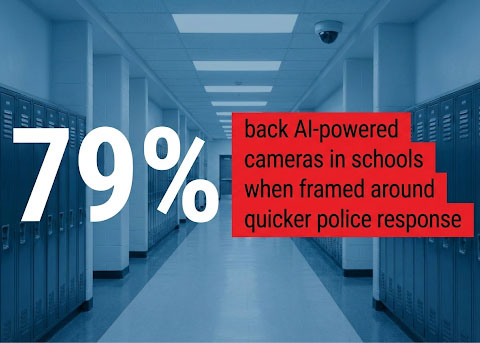
AI and analytics help identify early warning signs, such as vandalism or trespassing, allowing teams to respond before problems escalate. Discussions about how AI is used in video surveillance continue to highlight how intelligent monitoring supports proactive responses and strengthens situational awareness. Agencies exploring these capabilities can review a range of IP camera systems, which support advanced analytics and modern surveillance workflows.
Frequently Asked Questions
How do solar surveillance trailers help prevent crime?
Solar surveillance trailers create a visible, 24/7 monitoring presence that can reduce vandalism, trespassing, theft, and illegal dumping — especially in temporary or high-risk locations.
Where are mobile surveillance trailers commonly deployed?
Agencies often use them in parks, parking lots, vacant properties, construction sites, transit areas, and special events where permanent cameras are not available.
Do solar surveillance trailers require external power?
Most solar surveillance trailers are self-powered and operate without hardwired electrical infrastructure, making them suitable for rapid deployment.
How does this relate to Broken Window Theory?
Broken Window Theory emphasizes preventing small signs of disorder from escalating. Visible monitoring and early intervention can help maintain order and reduce repeat incidents.
Conclusion
Broken window theory remains an important framework for shaping public safety decisions. While the concept has critics, the idea that visible order reduces crime continues to influence law enforcement, emergency response, and city planning.
By combining environmental maintenance with tools like AI-driven surveillance, mobile towers, and improved lighting, agencies can build safer and more resilient environments. When applied thoughtfully, the theory supports better communication, stronger trust, and more effective proactive policing across all sectors of public safety.
If your team is exploring ways to strengthen visibility or enhance real-time monitoring, we can help identify the right tools for your operational needs. Contact us to learn how modern surveillance solutions can support your public safety goals.