
Dependable lighting is a mission-critical tool. From forward operating bases to convoy stops and disaster response zones, visibility affects safety, coordination, and decision-making. When teams compare halogen vs LED lighting, the choice goes far beyond brightness. It impacts fuel use, runtime, durability, and operational success.
While halogen bulbs were once the standard in many military lighting systems, LED field lighting is now transforming how modern tactical lighting is deployed in real-world conditions.
This guide explains why.
Understanding the Difference Between Halogen and LED Lighting
Halogen and LED bulbs create light in very different ways, and those differences matter far more in the field than in a home or office.
Halogen lighting
- Uses a fragile tungsten filament
- Produces light by generating heat
- Draws large amounts of power
- Burns extremely hot
- Has a short lifespan
LED lighting
- Uses solid-state diodes instead of filaments
- Converts power directly into light
- Uses far less electricity
- Runs cool
- Lasts thousands of hours
Field lighting fails in real operations not because it runs too long. It fails because it operates in environments most lighting systems were never designed to survive. Military, law enforcement, and emergency response teams deal with constant vibration, dust, moisture, extreme temperatures, power fluctuations, and long run times.
Halogen bulbs struggle under these conditions. Their fragile filaments and high heat output make them prone to failure during transport, setup, or extended use. When a light goes out in the field, visibility drops instantly, cameras lose clarity, and situational awareness suffers.
For military lighting systems and tactical lighting, vibration, heat, dust, and constant movement are unavoidable. Halogen filaments break under shock. LED systems do not.
That makes LEDs far better suited for mobile deployments, vehicle-mounted towers, and harsh outdoor environments.
Energy Efficiency and Runtime in the Field
Most deployed lighting relies on generator-powered lighting or hybrid battery systems. That makes energy-efficient lighting a major force multiplier.
According to the U.S. Department of Energy LED lighting efficiency data, LEDs use up to 75 percent less electricity than traditional halogen bulbs and can last up to 25 times longer, which means more light for less power when generators and fuel are limited.
That efficiency changes everything in the field:
- Less fuel burned
- Longer runtime between refueling
- Lower heat and noise output
How Fuel and Power Affect Mission Planning
Every gallon of fuel delivered to a field site requires time, transport, and personnel. In military and disaster response environments, those fuel deliveries often mean vehicle convoys that must be secured and protected.
By reducing power draw, LED lighting directly lowers fuel demand. That allows generators to run longer between refueling and reduces the number of resupply trips needed to keep operations running.
Lower power draw also means:
- Smaller generators can support the same lighting coverage
- Less heat and noise from power equipment
- Lower thermal and acoustic signatures in sensitive operations
For night operations, perimeter security, and long-duration deployments, this energy efficiency improves both safety and endurance. Fewer refueling missions also mean fewer opportunities for disruption or exposure.
For units that rely on generator-powered lighting, LEDs stretch every gallon of fuel further while keeping critical areas illuminated longer during 24/7 operations.
Modern LED light towers are designed to maximize generator efficiency, allowing wide-area coverage while reducing power draw and fuel logistics.
Durability and Reliability Under Harsh Conditions
Field lighting must survive vibration from trucks, helicopters, wind, and uneven ground. This is where LED systems pull far ahead.
Resistance to Vibration and Impact
Halogen bulbs fail when their filaments snap under movement. LED fixtures have no filaments, making them ideal for:
- Vehicle-mounted towers
- Rapid deployment setups
- Transport between sites
- Wind-exposed installations
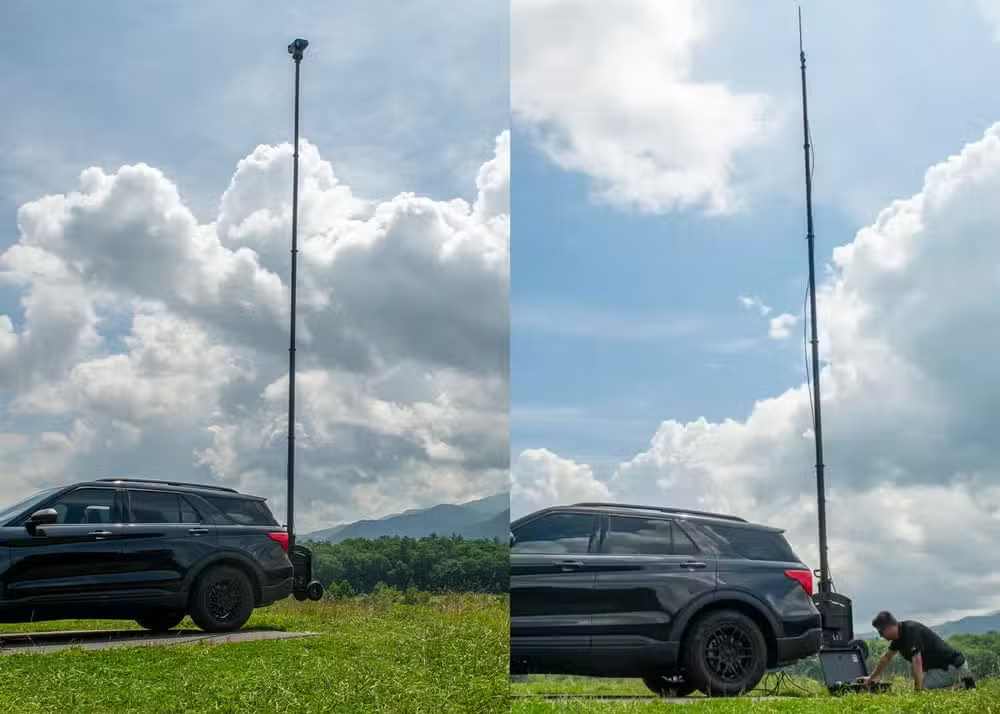
To maintain stable lighting in these conditions, elevated mounting systems are just as important as the lights themselves. Mounting systems such as telescopic masts allow LED fixtures to stay steady and properly aimed, even on rough terrain, in high winds, or when deployed on mobile towers.
In fast-moving deployments, quick-deploy antenna masts help teams elevate radios and antennas for stronger coverage and more reliable connectivity. When missions require both visibility and communications from one mobile platform, mobile surveillance trailers can deploy integrated systems such as lighting and mast-mounted equipment without adding multiple standalone assets.
Weatherproof and Heat-Safe Design
LED systems operate cool and are housed in IP-rated enclosures that protect against:
- Dust
- Rain
- Snow
- Extreme heat or cold
Halogen lights, by contrast, generate extreme heat that increases fire risk and makes enclosed or trailer-mounted systems unsafe.
LED vs Halogen in Mobile and Rapid Deployments
Many modern field operations rely on mobile platforms rather than fixed infrastructure. Light towers, masts, and surveillance trailers are often moved from site to site as missions evolve.
Halogen lighting struggles in these environments. The shock of transport, setup, and teardown can weaken filaments and shorten bulb life. Heat buildup also makes it unsafe to move halogen fixtures immediately after use.
LED systems are built for mobility. Their solid-state design allows them to:
- Withstand transport vibration
- Be powered on and off repeatedly
- Cool quickly after use
- Remain stable on moving or wind-exposed platforms
This makes LED field lighting ideal for convoy stops, temporary checkpoints, and rapidly deployed command centers where speed and reliability matter.
Visibility and Tactical Effectiveness
Lighting is not just about brightness. It is about control, clarity, and visibility under pressure.
LEDs produce a whiter, cleaner light that improves:
- Target identification
- Camera clarity
- Depth perception
- Peripheral visibility
This is critical during:
- Perimeter security
- Night training
- Convoy operations
- Equipment repair after dark
When combined with mobile video surveillance, LED field lighting improves camera accuracy, threat detection, and overall situational awareness.
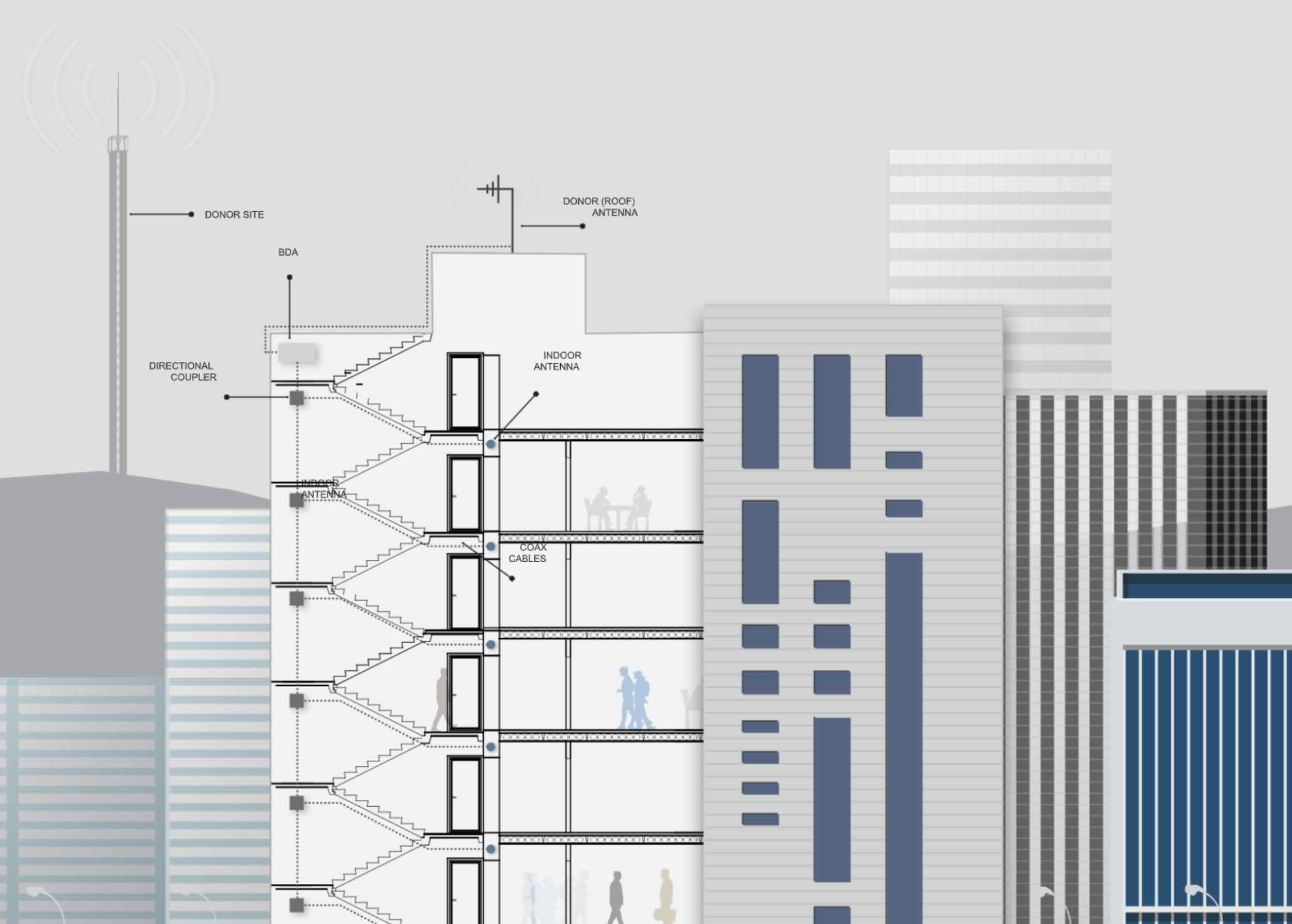
For communications and data systems, tools like BDAs, DAS, and portable towers ensure teams stay connected while LED lighting keeps their operational area visible.
Long-Term Value and Maintenance
Government data shows that LED products can operate up to 30 times longer than comparable incandescent and halogen bulbs. This longer lifespan greatly reduces the need for replacements and maintenance in demanding field lighting applications.
That means:
- Fewer replacements
- Less downtime
- Lower maintenance labor
- Reduced resupply missions
In military and emergency deployments, every replacement requires time, inventory, and transport. LED systems reduce those burdens and increase operational readiness.
Recent defense initiatives show that the U.S. Navy has directed expanded use of LED lighting to improve operational endurance, reduce maintenance, and enhance safety. This reflects why LEDs are replacing older halogen systems in military environments.
What Procurement Officers Should Consider
Selecting lighting for military or public safety operations is not just about the purchase price. It is about long-term performance, maintenance, and operational reliability.
When comparing halogen and LED systems, procurement teams should evaluate:
- Total lifespan of the lighting system
- Frequency of bulb replacements
- Fuel and generator operating costs
- Downtime caused by maintenance or failures
- Training and spare parts requirements
LED systems often cost more upfront, but they reduce long-term operating costs by lasting longer, using less fuel, and requiring fewer replacements. For agencies managing multiple deployments or large fleets of equipment, those savings quickly add up.
Choosing the Right Field Lighting System
When selecting LED lighting for tactical or military use, consider:
1. Power source
- Generator-powered lighting
- Hybrid battery systems
- Solar-assisted options
2. Deployment type
- Hitch mount for towable light towers and vehicle-mounted lighting systems used in convoys, patrol vehicles, and mobile command units
- Tripod mount for temporary checkpoints, perimeter lighting, and rapid deployment setups
- Wall mount for fixed or semi-permanent installations on buildings, gates, and security perimeters
- Solar trailer for long-duration field deployments where grid power or fuel is limited
3. Brightness and coverage
- Lumens per watt
- Area coverage
- Glare and dimming control
The right system should support your mission length, environment, and security needs without creating extra logistical strain.
Conclusion
When it comes to halogen vs LED lighting, the difference is clear. LED technology delivers higher efficiency, longer runtime, lower heat output, and far greater durability than traditional halogen systems.
For military and public safety teams working in harsh and unpredictable environments, LED field lighting supports better visibility, reduced fuel consumption, and fewer equipment failures. These advantages make LEDs the smarter choice for modern military lighting systems and tactical lighting used in forward operating bases, convoy operations, and emergency response deployments.
If you are evaluating or upgrading your field lighting capabilities, the team at Critical Tech Solutions can help you choose the right setup for your mission. Contact us to learn more about LED light towers, telescopic masts, and mobile surveillance trailers built for field operations.