
LRAD Technology: Effective Communication and Crowd Management Solutions
Managing large crowds and communicating effectively over long distances is a challenge in law enforcement. Tools like the Long Range Acoustic Device (LRAD) have become valuable assets, helping control gatherings, convey clear messages, and even deter potential threats. But to use this tool effectively, understanding its technology and best practices is key.
Understanding Long Range Acoustic Device Technology (LRAD)
What is LRAD? A Long Range Acoustic Device (LRAD) is a specialized sound-emitting tool capable of delivering high-frequency sound waves over significant distances. Originally developed for military purposes, LRAD technology is now commonly used in civilian law enforcement.
- High-Frequency Sound Waves: LRAD emits sound at levels that can carry clearly over hundreds of meters, making it ideal for reaching large groups.
- Directional Sound: Unlike traditional loudspeakers, LRAD projects sound in a narrow, controlled path, minimizing unintended noise in surrounding areas.
This device falls under sonic and ultrasonic weapons, tools designed to use sound energy for tactical purposes. Sonic weapons emit sound waves—ranging from low (infrasound) to very high (ultrasound) frequencies—to disperse crowds, disorient, or control access to areas. By projecting high-decibel sounds within specific frequency ranges, these devices can create discomfort or even deter individuals, offering a non-contact method of crowd control.
While LRAD is classified among sonic and ultrasonic weapons due to its capacity for high-volume, directed sound, it is primarily used by law enforcement as a communication tool. This classification highlights its unique ability to project sound for effective crowd management rather than its role as a weapon.
Uses for LRAD Technology in Law Enforcement
Law enforcement agencies use Long Range Acoustic Devices (LRAD) for several key purposes, particularly in scenarios that involve large gatherings or potentially volatile crowds:
- Crowd Management and Communication: LRAD offers law enforcement an effective way to manage large gatherings, such as public events or protests. Its clear, directed sound cuts through background noise, allowing officers to communicate critical instructions to crowds from a safe distance.
- De-escalating Volatile Situations: In escalating scenarios, such as riots or high-tension protests, LRAD provides a tool to issue verbal warnings and guide individuals away from conflict zones without resorting to physical engagement.
In 2005, the Santa Ana, California SWAT team utilized an LRAD to successfully disperse gang members from a house without resorting to lethal force. By activating the LRAD’s tone for 30 seconds, they prompted ten suspects to exit the building, exceeding their initial estimate of three or four individuals inside. Read more about this successful deployment.
Enhancing Surveillance with Mobile Equipment
LRAD becomes even more effective when paired with various surveillance tools, creating a well-rounded approach to crowd management and public safety. Here’s how LRAD integrates with these technologies:
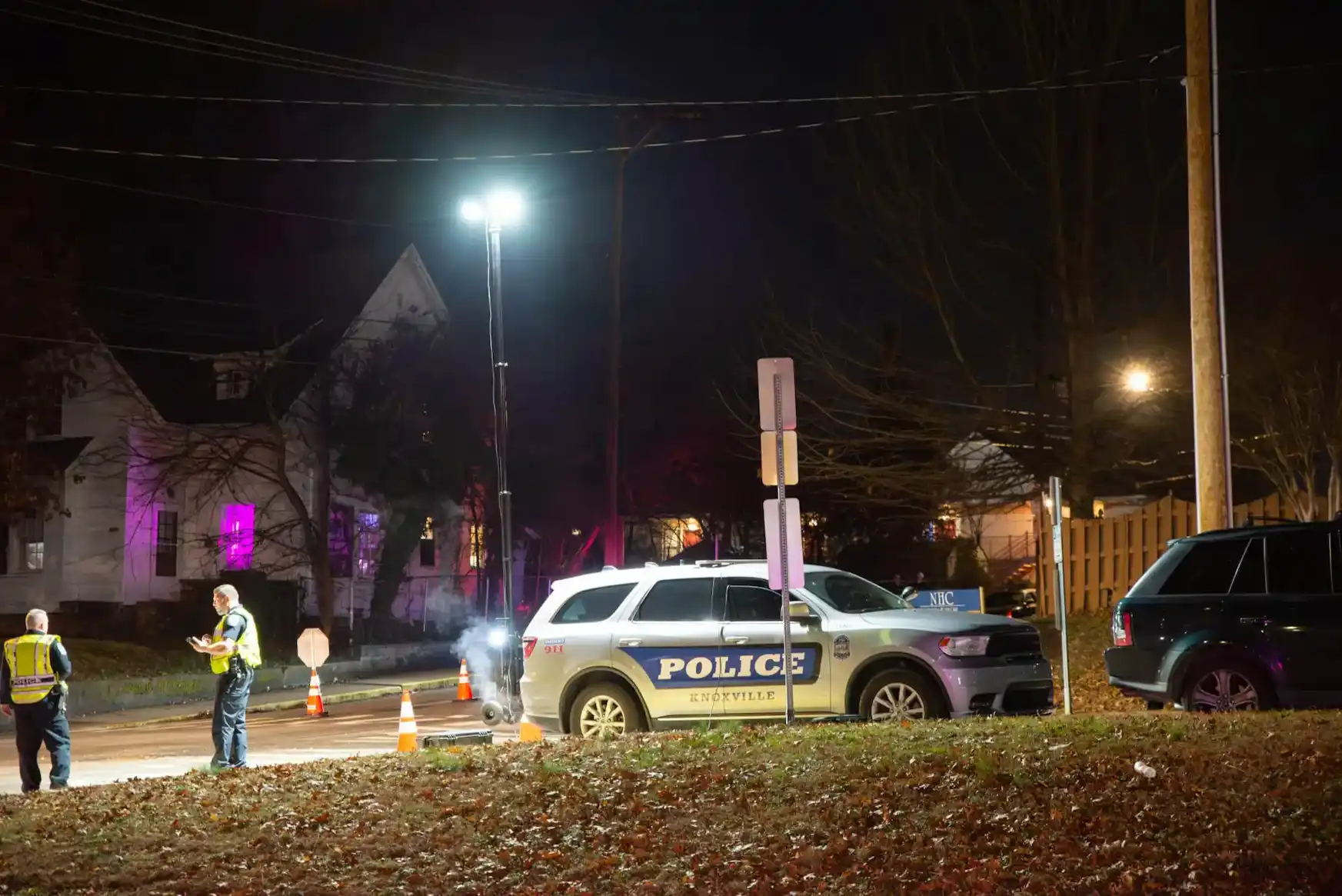
- IP Cameras and Light Towers: Together, high-definition IP cameras and light towers enhance situational awareness for law enforcement. Cameras provide visual confirmation of crowd movements, while light towers improve visibility in low-light conditions. This combination allows operators to assess crowd locations more accurately and direct LRAD sound precisely where it’s needed.
- Mobile Surveillance Towers & Mobile Surveillance Trailers: By using LRAD in conjunction with mobile surveillance towers or mobile surveillance trailers, teams gain an elevated vantage point, allowing them to oversee crowd dynamics effectively and respond promptly to changes in activity.
Combining LRAD technology with these surveillance tools not only improves monitoring but also allows for targeted, strategic responses, enhancing public safety efforts in a coordinated manner.
Tips for Using LRAD Effectively
To use LRAD safely and efficiently, adhering to best practices is essential. These guidelines help ensure the device is used effectively and responsibly:
- Proper Positioning:
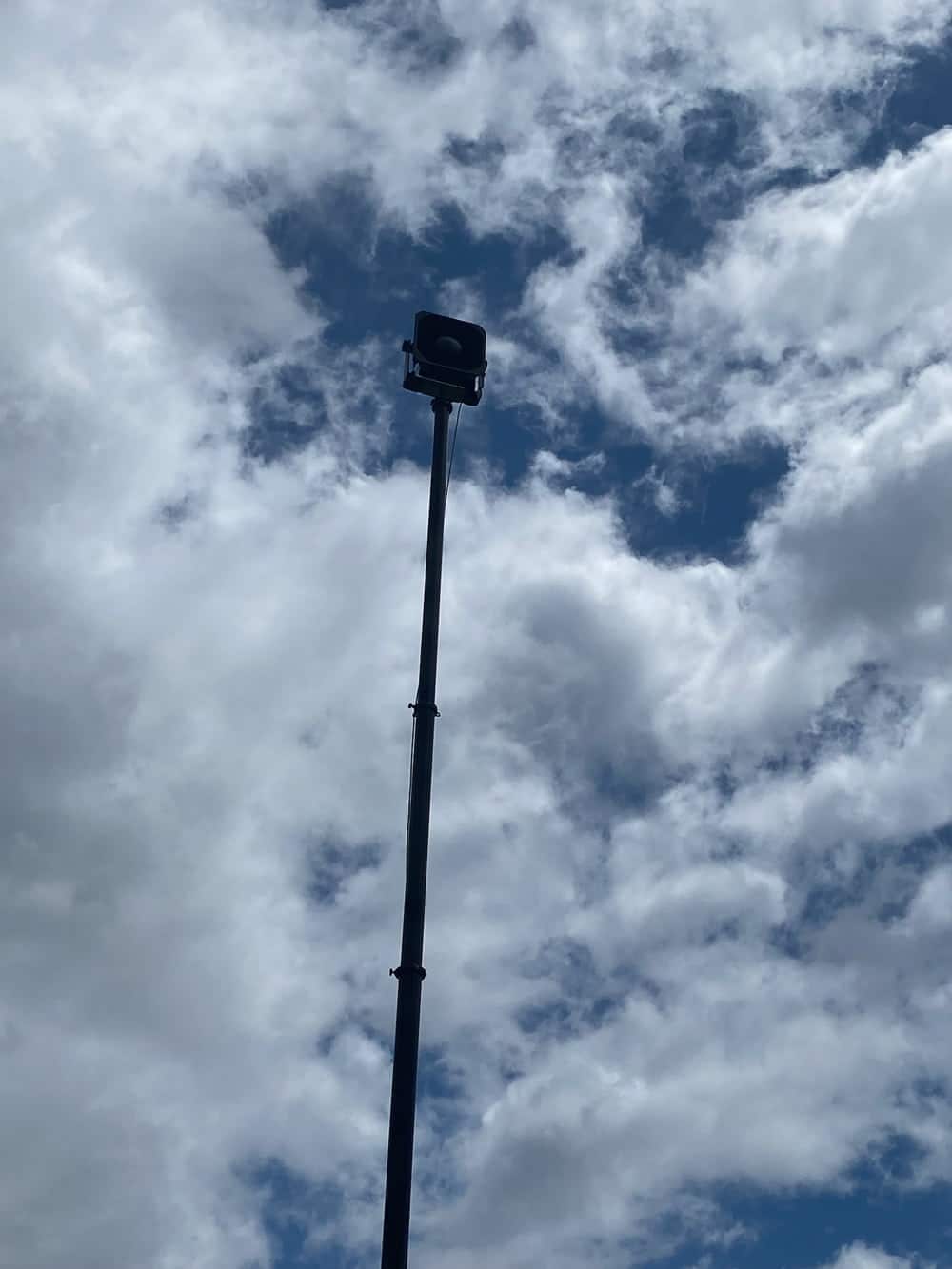
Correct positioning is crucial for directing LRAD sound to reach the intended audience while minimizing impact on others nearby.- Consider Obstacles: Physical barriers like buildings and trees can alter sound paths. Set up LRAD in open areas or elevated positions, such as telescopic masts or mobile surveillance towers, to provide a clear line of sound transmission over obstacles.
- Optimize Placement: Use height strategically to project sound effectively across distances, reducing interference and ensuring clarity.
- Adjusting Volume Levels:
LRAD’s variable sound output requires careful adjustment to avoid discomfort or harm, especially in densely populated areas.- Volume Awareness: Set the volume at a level that is loud enough to convey the message but low enough to prevent discomfort. This balance is essential for maintaining effective communication without unintended side effects.
- Use in Short Bursts: Short, clear messages reduce auditory strain and enhance clarity, making communication more effective than continuous sound.
- Proper Training and Protocols:
Officers need comprehensive training in LRAD use, covering volume control, positioning, and adherence to local laws and guidelines.- Follow Local Regulations: Jurisdictions often have specific guidelines on the allowable use of LRAD in public settings to ensure responsible deployment. Familiarize all personnel with these regulations to avoid misuse.
- Training on Combined Technology: To maximize LRAD’s effectiveness, law enforcement should be skilled in using it alongside other equipment like telescopic masts and mobile surveillance towers. This integrated training ensures a coordinated approach for public communication, crowd management, and enhanced situational awareness.
Concerns About Sonic Weapons
While LRAD and similar sonic and ultrasonic weapons are powerful tools, their use has raised some concerns. The National Institute for Occupational Safety and Health (NIOSH) recommends that workers should not be exposed to noise levels above 85 decibels (dBA) over an eight-hour shift to prevent hearing loss. Critics note that high-decibel sound can potentially lead to hearing issues when used improperly, and some view the technology as invasive.
The American Speech-Language-Hearing Association (ASHA) has warned about the potential for serious hearing loss and other health concerns resulting from exposure to LRADs. These warnings highlight the importance of strict adherence to safety guidelines, including controlling volume levels and ensuring proper training for operators to mitigate risks associated with high-decibel sound. Learn more about hearing risks associated with LRAD use.
To mitigate these risks:
Use Restraint:
- Avoid high-volume settings where not necessary.
- Direct LRAD sound away from individuals not involved in crowd control.
Respect Civil Rights:
- Prioritize clear communication.
- Adhere to lawful protocols to prevent infringing on individual rights.
How Is LRAD Deployed in the Field?
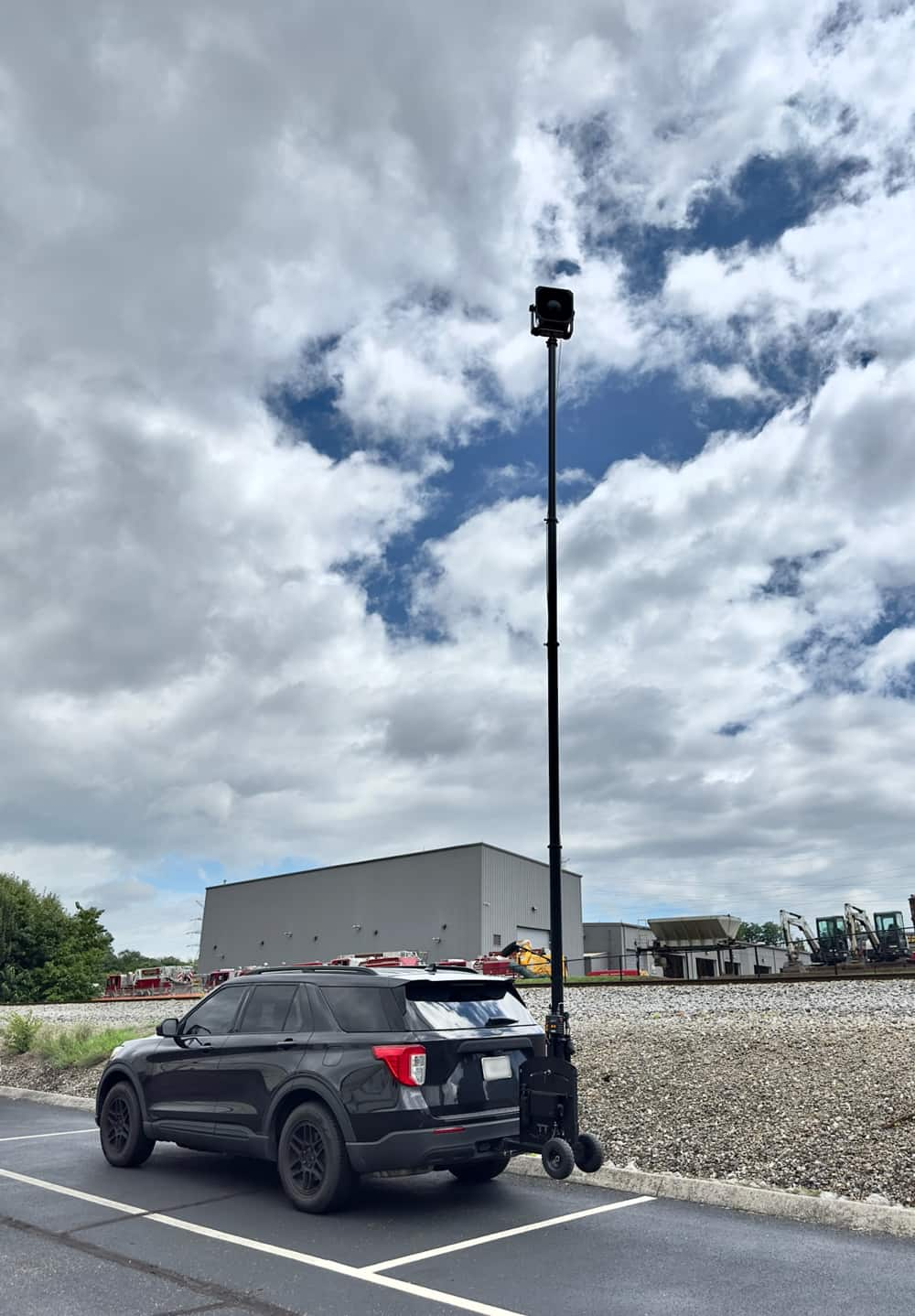
LRAD devices are most effective when elevated above ground level. Sound travels in a direct line, and obstacles like vehicles, structures, and terrain features can block or scatter the acoustic beam before it reaches the intended audience. Positioning an LRAD device at height — typically 15 to 35 feet above ground — gives the sound a clear transmission path over these obstacles and significantly extends effective range.
In permanent installations, LRAD systems are often mounted on building rooftops, fixed poles, or permanent tower structures. But many law enforcement and military operations require mobile deployment — the ability to position LRAD where it’s needed, when it’s needed, and take it down when the mission is complete.
Mobile LRAD deployment typically involves one of these approaches:
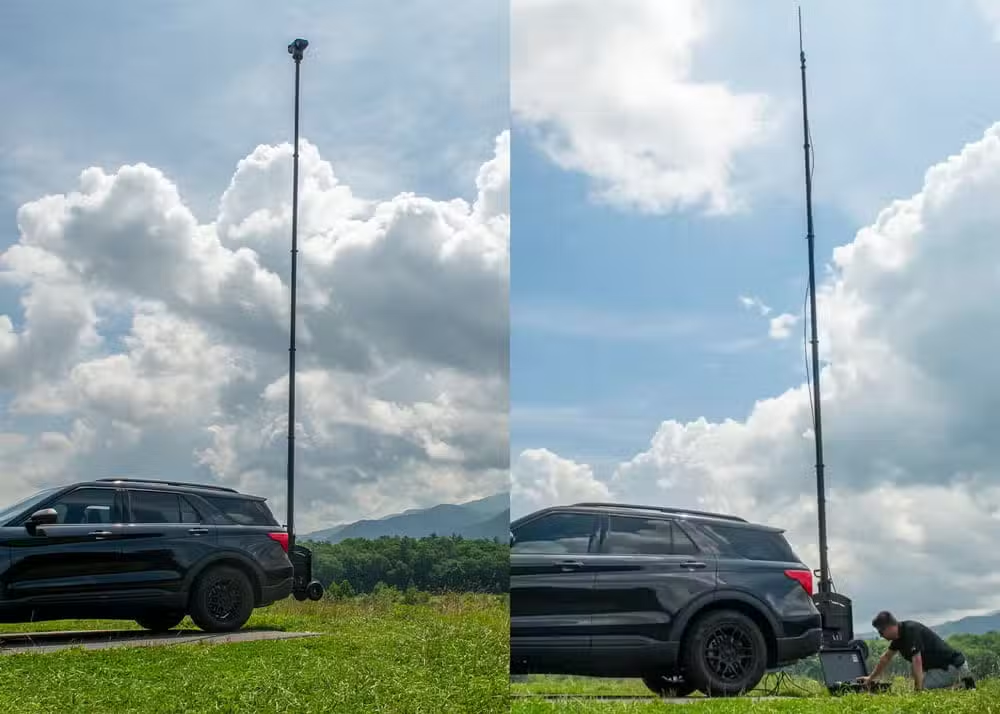
- Vehicle-mounted mast systems — A telescopic mast attached to a vehicle’s hitch receiver elevates the LRAD device to optimal height in minutes. One operator can set up and deploy the system without a crew, crane, or specialized equipment. These are commonly used for rapid-response scenarios like protests, active incidents, or emergency evacuations where speed matters.
- Solar surveillance trailers — For extended deployments lasting days or weeks, a solar-powered trailer with an onboard telescopic mast provides sustained, autonomous LRAD positioning without external power. These are used at multi-day events, disaster staging areas, and semi-permanent perimeter security operations.
- Tripod-mounted mast systems — When vehicle access is limited or the deployment site requires a smaller footprint, a freestanding tripod with a telescopic mast positions the LRAD device at height while maintaining full portability. Tripod deployments are common at building perimeters, rooftops, and confined outdoor areas.
- Wall-mounted mast systems — For semi-permanent deployments on buildings, mobile command vehicles, or existing structures, a wall-mounted telescopic mast provides rapid LRAD elevation from a fixed position. These are used at correctional facilities, government buildings, campus perimeters, and anywhere a permanent mount is practical.
The critical factor in every deployment method is height. An LRAD device at ground level behind a line of vehicles has a fraction of the effective range of the same device elevated to 25 feet on a telescopic mast with clear line of sight. Agencies that deploy LRAD without considering elevation are leaving most of the device’s capability on the table.
LRAD Deployment Platforms: Mobile Mast Systems
The effectiveness of any LRAD deployment depends on the platform carrying it. A purpose-built mobile mast system designed for rapid deployment solves the three biggest challenges agencies face when positioning LRAD in the field: getting the device to the right height, getting it there fast, and doing it without a large support crew.
Rapid-deploy telescopic mast systems — like those used by law enforcement for mobile surveillance — extend to heights of 16 to 50 feet and can carry payloads including LRAD devices, IP cameras, antennas, and lighting simultaneously. The ability to combine LRAD with live video surveillance on the same elevated platform creates a powerful integrated response capability: the cameras identify the situation, command staff assess it in real time, and the
LRAD addresses the crowd — all from one deployment that one operator set up in under 10 minutes. For agencies evaluating LRAD deployment platforms, the key specifications to consider are mast height (taller = greater effective LRAD range), payload capacity (LRAD devices plus any co-mounted cameras or antennas), deployment speed (how quickly the system goes from transport to operational), power source (vehicle 12V, solar, or generator), and field-swappable capability (can the mast be moved between mounts without tools).
NDAA and TAA compliance is also a procurement consideration for federal, state, and grant-funded LRAD deployments. Mast platforms that are fully NDAA/TAA compliant simplify the procurement process and ensure eligibility for federal grant programs including COPS, SHSP, UASI, and FEMA preparedness funding.
Frequently Asked Questions About LRAD Deployment
How high should LRAD be mounted for maximum effectiveness?
LRAD performs best when elevated 15 to 35 feet above ground level. Height provides a clear acoustic transmission path over obstacles like vehicles, barricades, and terrain features. Mobile telescopic mast systems that extend to 35 feet or higher give agencies the elevation needed to maximize LRAD range and intelligibility in the field.
Can LRAD be deployed from a mobile platform?
Yes. LRAD devices can be mounted on vehicle-hitched telescopic masts, solar-powered surveillance trailers, tripod-mounted masts, and wall-mounted systems. Mobile deployment platforms allow agencies to position LRAD wherever it is needed and relocate it as conditions change. These are capabilities that fixed installations cannot provide.
What mast systems support LRAD devices?
Pneumatic telescopic masts designed for law enforcement and military use support LRAD devices alongside cameras, antennas, and lighting. The key specifications are payload capacity, mast height, and deployment speed. LRAD devices typically weigh 15 to 50 pounds depending on the model, while mast heights generally range from 16 to 50 feet. Mast systems that deploy in under 10 minutes by a single operator are preferred for rapid-response LRAD use.
How quickly can LRAD be deployed in an emergency?
Deployment speed depends entirely on the platform. A handheld LRAD unit can be operational in seconds. A vehicle-mounted telescopic mast with LRAD can be fully deployed and operational in under 10 minutes by one person. A trailer-based system with LRAD and surveillance cameras typically takes 10 to 20 minutes for a single operator to position and deploy.
Can LRAD be used on solar-powered trailers?
Yes. Solar-powered surveillance trailers with onboard telescopic masts are increasingly used for extended LRAD deployments at multi-day events, disaster response staging areas, and semi-permanent perimeter security. The solar power system runs the mast, cameras, connectivity, and any co-mounted LRAD device autonomously for days or weeks without external power or refueling.
What is LRAD used for in law enforcement?
Law enforcement agencies use LRAD for crowd management and communication at protests, special events, and public gatherings. It is also used for de-escalation during volatile situations, issuing evacuation orders during emergencies, establishing communication during barricade and hostage scenarios, and providing area denial through its high-frequency deterrent tone. When combined with elevated mobile surveillance, LRAD gives command staff the ability to see and communicate with a crowd simultaneously from a single deployment.
Is LRAD a weapon?
LRAD is classified as an acoustic hailing device, not a weapon, by its manufacturer, Genasys. Its primary function is voice communication over long distances with exceptional clarity. However, its deterrent tone mode can cause discomfort and has been the subject of excessive force lawsuits when used at close range during civil protests. Agencies deploying LRAD should have clear use-of-force policies governing its operation, particularly the deterrent tone function.
Does LRAD cause hearing damage?
LRAD devices can produce sound pressure levels up to 160 dB at one meter. Prolonged exposure at close range can cause temporary or permanent hearing damage, tinnitus, and other auditory symptoms. The risk decreases significantly with distance due to the inverse square law, meaning sound pressure drops roughly 6 dB for every doubling of distance from the source. Operators and nearby personnel typically wear hearing protection during LRAD use. Elevated deployment on a mast platform positions the device farther from both operators and bystanders, reducing close-range exposure risk.
Conclusion: Maximizing the Benefits of LRAD Technology for Public Safety
Understanding LRAD technology and applying it with best practices is crucial for maximizing its benefits in public safety. By balancing technological innovation with safety considerations, LRAD can significantly enhance public safety efforts while maintaining public trust. With careful positioning, controlled volume, and adherence to protocols, law enforcement can use LRAD effectively to manage crowds and communicate clearly. Paired with surveillance tools like IP cameras, light towers, and telescopic masts, LRAD offers comprehensive, real-time solutions for managing large events and critical incidents.
Need a rapid-deploy platform for LRAD or acoustic hailing devices? CTS telescopic mast systems and solar surveillance trailers elevate LRAD to optimal height in under 10 minutes — one operator, no crane, no crew. NDAA/TAA compliant and grant eligible.
[Explore Mobile Surveillance Towers →] [Request a Quote →]