
Reliable lighting is essential for military and public safety operations where visibility directly affects safety, coordination, and operational success. From securing a forward operating base to supporting emergency response efforts after dark, teams rely on lighting systems that perform consistently in demanding conditions. Poor visibility can slow response times, increase safety risks, and limit situational awareness in high-pressure environments.
A light tower is a portable lighting system designed to illuminate large outdoor areas where permanent infrastructure is unavailable or unreliable. These systems are widely used across military bases, forward operating bases, disaster response zones, and public safety operations.
Most light towers include:
- An elevated mast for wide-area coverage
- High-output lighting fixtures
- A generator or battery-based power source
- A trailer, tripod legs, or mobile base for transport
Modern LED mobile light towers represent a tactical evolution of this equipment. Compared to older lighting systems, they are more energy efficient, easier to deploy, and better suited for long-duration missions in remote or unpredictable environments. These systems are increasingly used across defense and public safety operations where reliability and mobility are essential.
LED vs. Traditional Light Towers: Why Modern Military Units Prefer LEDs
Traditional light towers typically rely on halogen or metal-halide bulbs. While these systems can produce bright illumination, they consume more fuel, require frequent maintenance, and generate excess heat and noise. Over long deployments, these drawbacks place added strain on logistics and personnel.
LED technology offers clear advantages for military operations lighting, starting with energy efficiency. According to the U.S. Department of Energy, LED lighting can use up to 75 percent less energy and last up to 25 times longer than traditional lighting. Lower power draw reduces fuel consumption, helping conserve supplies and reduce resupply needs in the field.
Beyond efficiency, LEDs also deliver higher-quality, more controlled illumination and better performance in demanding environments. These differences become clear when comparing LED and traditional light towers side by side.
LED vs. Traditional Light Towers for Military Operations
| Feature | LED Mobile Light Towers | Traditional Light Towers (Halogen / Metal-Halide) |
| Energy Efficiency | Use significantly less power, helping reduce fuel consumption and resupply needs | Higher power draw increases fuel usage and logistical demand |
| Light Quality | Directional lighting focuses illumination where needed, reducing glare and wasted light | Light scatters in all directions, often requiring reflectors and diffusers |
| Maintenance | Longer lifespans with fewer component failures | Shorter bulb life and more frequent replacements |
| Startup Time | Instant-on with no warm-up period | Requires warm-up time to reach full brightness |
| Heat Output | Low heat generation, reducing thermal signatures and safety risks | Produces significant heat |
| Noise | Often quieter due to lower generator demand | Louder operation due to higher power requirements |
| Reliability | Performs consistently in extreme temperatures and harsh weather | Performance can degrade in cold, heat, or wet conditions |
| Operational Impact | Supports longer missions with reduced logistical burden | Adds strain to fuel, maintenance, and personnel resources |
Tactical Advantages of LED Mobile Light Towers in the Field
LED mobile light towers are designed for real-world military operations lighting needs, where conditions are unpredictable and infrastructure is limited. Their technical features translate into clear operational advantages, including:
- Faster deployment in dynamic environments
- Longer runtime with reduced fuel demand
- Reliable performance in extreme weather
- Greater control over light output and visibility
Rapid Deployment and Mobility
Speed and flexibility are essential during military operations. LED mobile light towers are built for fast setup and easy repositioning, allowing teams to adapt as mission needs change. Most systems can be towed by standard vehicles equipped with a hitch receiver and deployed by one person without specialized equipment.
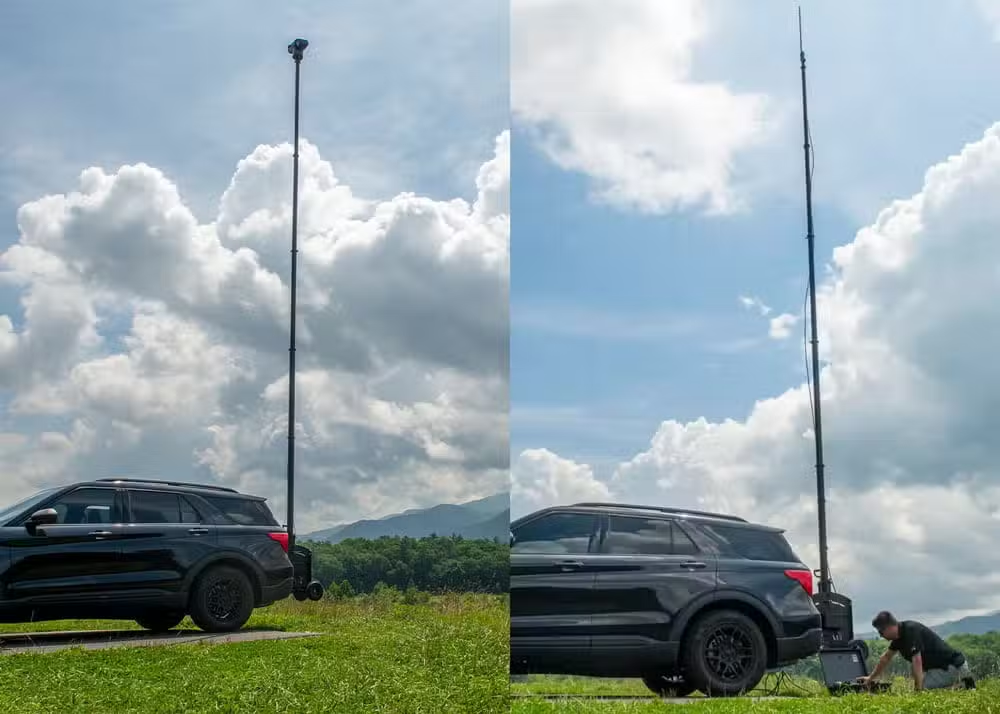
This mobility is especially valuable for forward operating bases and quick-response teams that need reliable lighting with minimal setup time. Built on telescopic masts, light towers can provide elevated field illumination that expands coverage and improves situational awareness.
For missions that require communications alongside lighting, integration with quick-deploy antenna masts supports coordinated field deployments.
Extended Runtime and Low Power Consumption
Extended missions place heavy demands on power resources, particularly in off-grid or remote environments. LED systems require significantly less power than traditional lighting, allowing light towers to operate longer on the same fuel supply or battery capacity.
This efficiency reduces refueling frequency and supports overnight or multi-day operations without interruption. The U.S. Department of Defense has consistently emphasized that reducing fuel demand lowers logistical risk and improves overall operational safety.
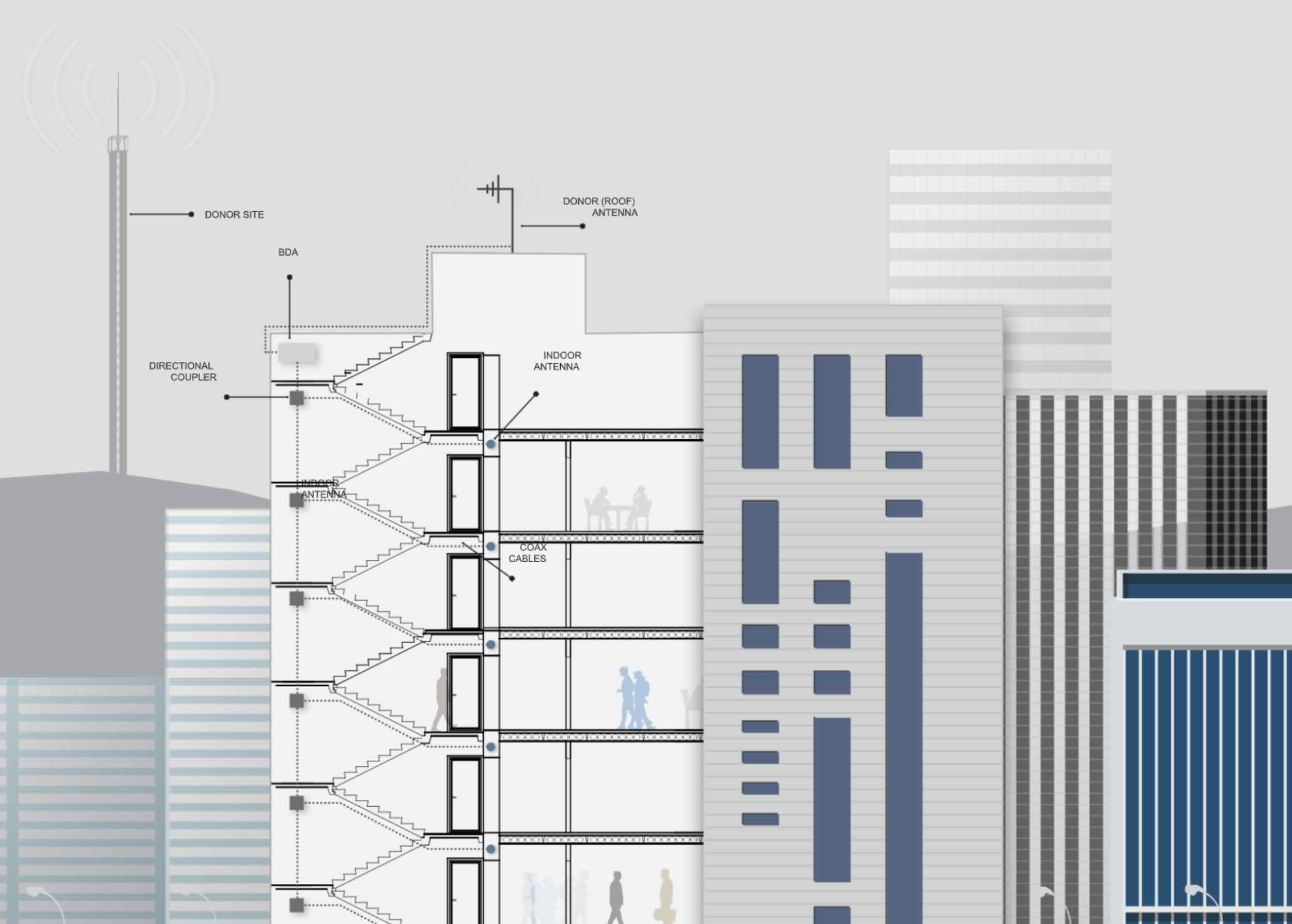
LED light towers also integrate well with deployable communications infrastructure such as BDAs, DAS, and portable towers, supporting shared power strategies in the field.
Durability and Weather Resistance
Military and public safety teams often operate in harsh environments that include extreme heat, cold, wind, dust, and heavy rain. LED mobile light towers are built with rugged materials and reinforced structures to withstand these conditions. Many systems feature IP-rated enclosures that protect internal components from moisture and debris, along with reinforced masts designed for stability in challenging terrain.
This level of durability ensures consistent performance during disaster response, perimeter security, and extended field operations. For teams working under pressure, dependable lighting reduces risk and supports safer decision-making.
Adjustable Brightness and Stealth Capabilities
Tactical lighting requires more than brightness alone. LED mobile light towers allow operators to control light levels and direction, helping reduce glare, limit light spill, and maintain situational awareness during night operations.
Because LED systems produce less heat than traditional bulbs, they also help reduce heat signatures during low-visibility missions. Combined with targeted illumination, this gives teams greater control over how light supports surveillance, patrols, and perimeter security. In demanding environments, LED light towers designed for field use consistently outperform halogen systems by balancing visibility, discretion, and efficiency.
Key Use Cases for Military and Public Safety Teams
As a portable lighting system, LED mobile light towers support a wide range of operational scenarios across defense and emergency response missions.
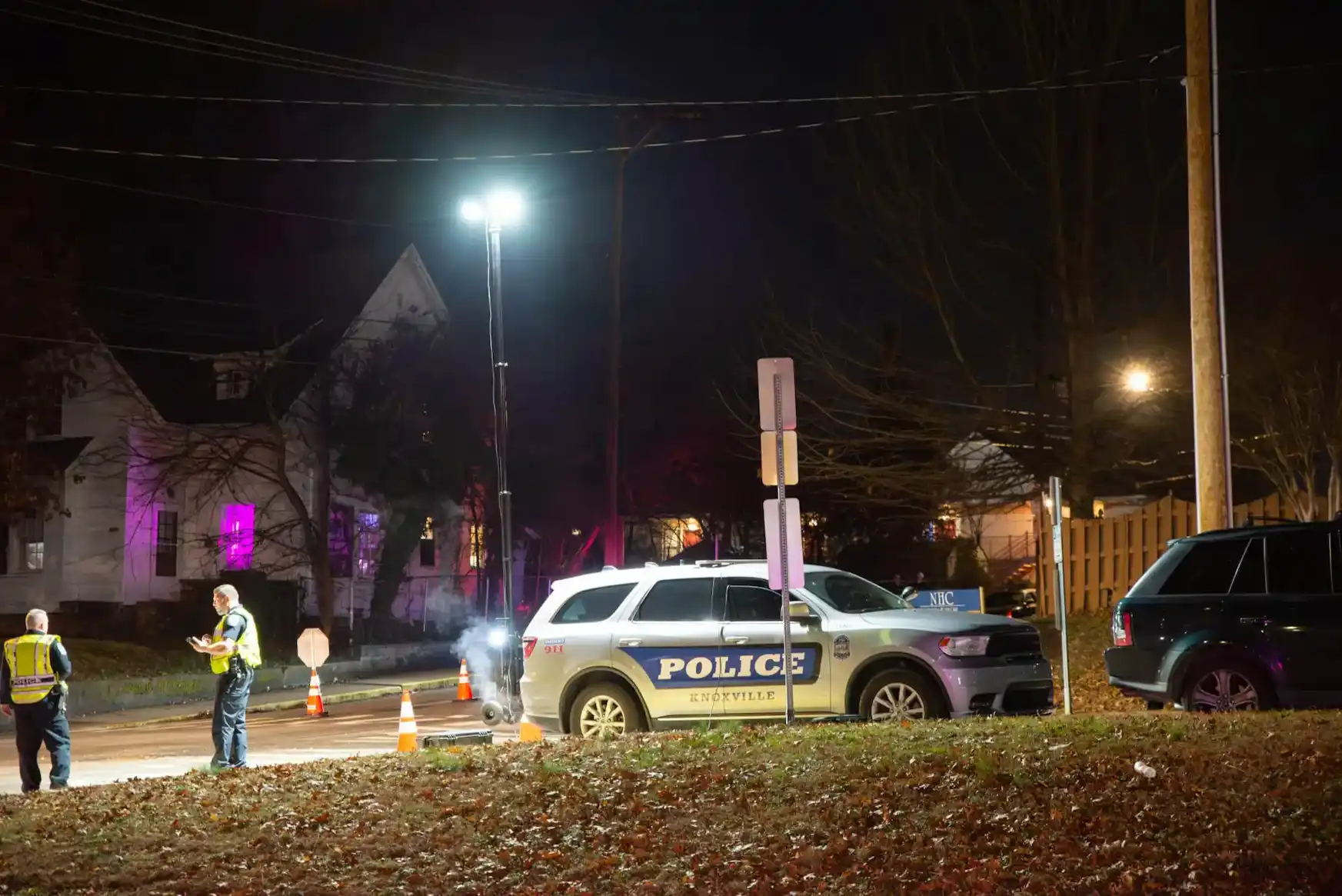
For base security, these systems illuminate perimeters, checkpoints, and entry points, improving visibility and supporting deterrence. When paired with proven security camera strategies, effective lighting enhances situational awareness and monitoring outcomes.
During field operations, LED light towers provide dependable illumination for tactical repairs, mission briefings, and convoy staging areas, allowing teams to operate safely after dark.
In disaster response scenarios, portable lighting systems enable responders to work quickly in areas affected by power outages or damaged infrastructure, reducing setup time and improving overall safety.
FEMA recognizes portable area lighting as an essential capability for emergency response, listing deployable lighting systems as critical tools for illuminating work zones, rescue sites, and command areas during power outages and disaster recovery operations.
LED light towers also integrate directly into surveillance platforms. They can be built into mobile surveillance trailers to support mobile video surveillance, providing consistent night-time visibility and expanded coverage across large operational areas.
Choosing the Right LED Light Tower for Tactical Operations
Selecting the right LED light tower depends on mission requirements and deployment conditions. Decision-makers should evaluate several factors when comparing systems.
Key considerations when selecting an LED light tower include:
- Power source: generator, battery, hybrid, or external power connection
- Mast height and rotation: for optimal coverage and positioning
- Lighting type: directional versus 360° illumination
- Deployment time: how quickly the system can be set up by one person
- Weight and transportability: ease of towing and repositioning
- System compatibility: integration with lighting, communications, and surveillance equipment used in the field
In many deployments, light towers are built with telescopic masts to provide elevated field illumination, allowing teams to maximize coverage while maintaining mobility.
Conclusion
LED mobile light towers offer a reliable combination of durability, efficiency, and tactical lighting capabilities for military and public safety operations, making them well suited for remote and high-pressure environments.
If your team is evaluating deployable lighting for base security, field operations, or emergency response, the right system should match real operational demands, not just a spec sheet. Critical Tech Solutions works with military, public safety, and security professionals to deliver lighting and power solutions built for field use. To discuss mission requirements or explore LED mobile light tower options, contact Critical Tech Solutions to start a conversation.