
Advanced Monitoring Unlocked: Mastering PTZ Cameras’ Zoom & Sensor Technology
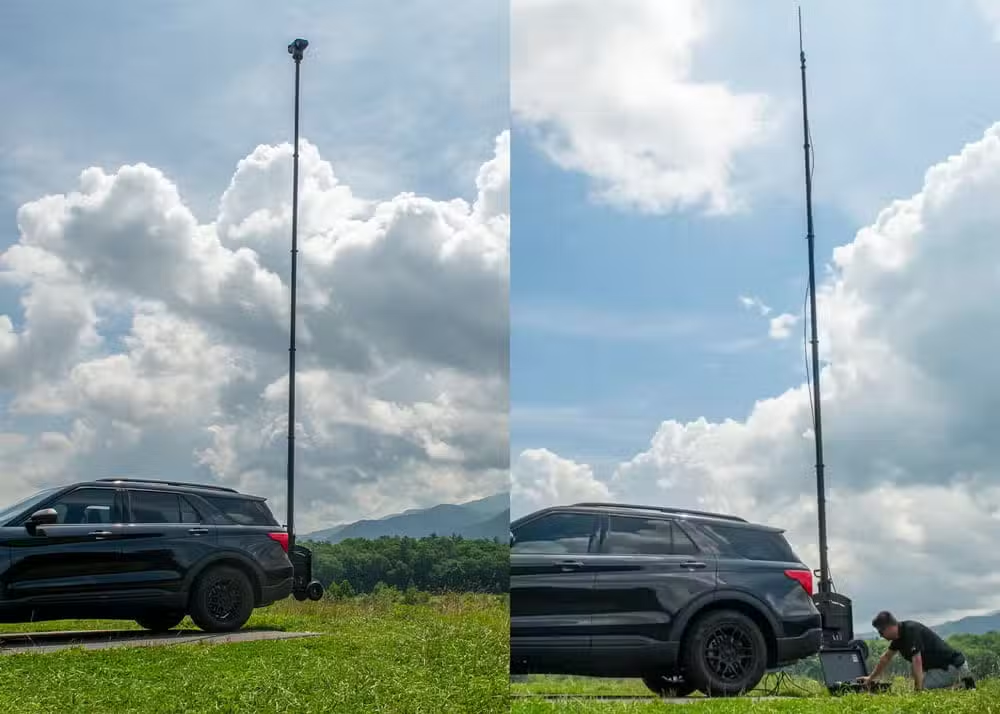
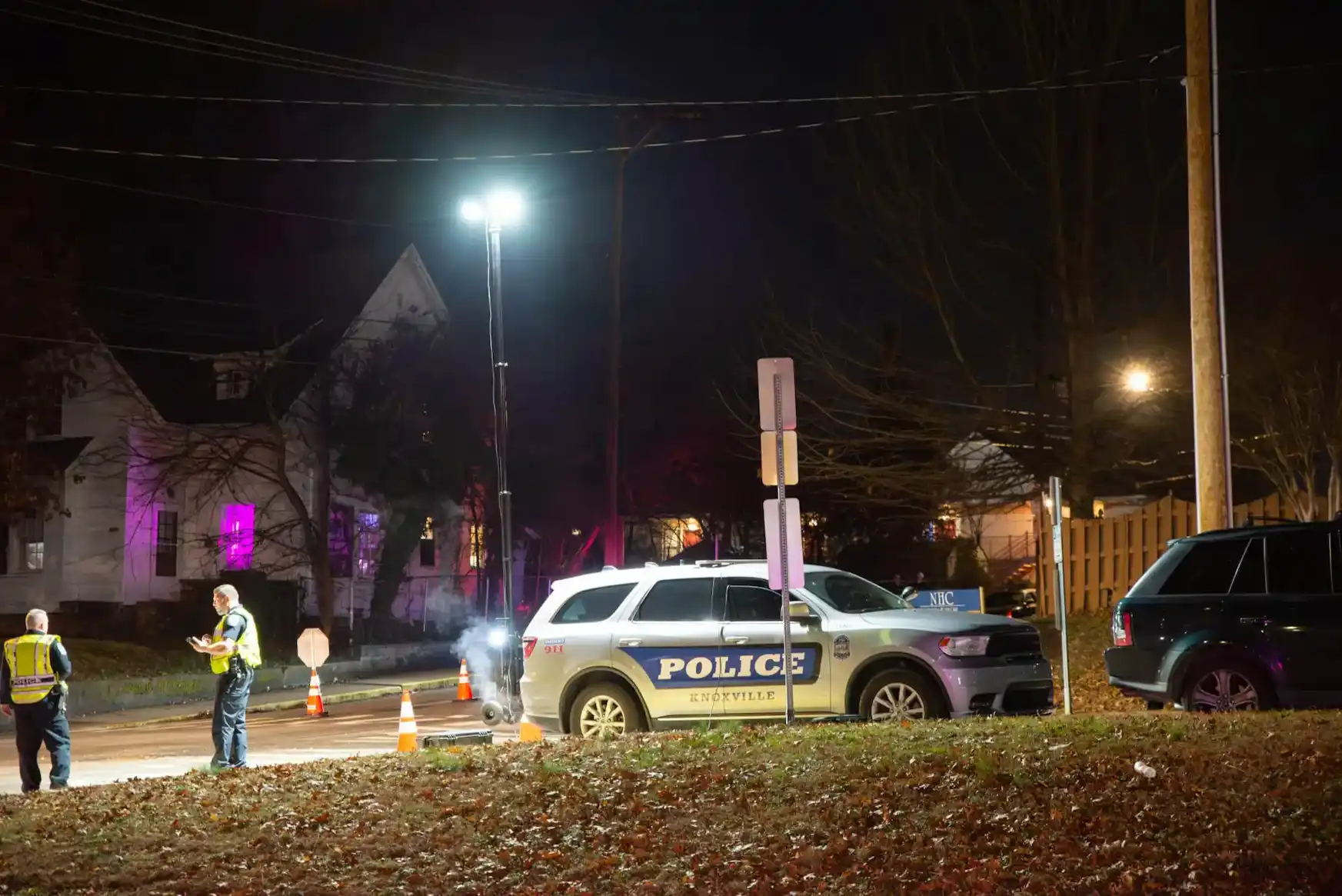
As we continue to witness more unrest in the world, many law enforcement agencies are increasingly turning to remote PTZ cameras for mobile video surveillance. PTZ stands for Pan-Tilt-Zoom, which are three main functions of a remote-controlled robot camera. With an arsenal of these cameras out in the field, law enforcement can monitor the video remotely using LTE routers in combination with a live streaming service and/or cloud video management system (VMS). This helps tremendously in getting eyes on the situation.
With this technology readily available, there are a myriad of options to choose from. So what should you be looking for when selecting a PTZ camera?
In this article, we will help break down two main components which separate most PTZ cameras.
Optical Zoom Versus Digital Zoom
There are many brands available such as Avigilon, RVision, Wisenet, Axis, and Uniview. All of these brands offer PTZ cameras, while others only provide ePTZ options. The difference between a PTZ and ePTZ camera is the type of zoom the camera has. PTZ cameras use optical zoom whereas ePTZ adopts a digital zoom.
A digital zoom won’t perform as well as optical zoom. Optical zoom uses the optics found in the lens to magnify the image, whereas digital zoom magnifies the pixels. When using digital zoom, it’s like watching a small part of the image and then amplifying the view, pixelating the scene onto a TV screen. While this solution is okay for wide-angled scenes, the moment you start zooming in is the moment you will lose resolution.
Many PTZ cameras feature a digital zoom around 12x; however, they only use this function once the optical zoom extends to the full amount. The Wisenet XNP-6550RH & Avigilon H4 IR PTZ are best in class with 45-55x optical zoom. Most other models only have a 23x – 36x optical zoom.
What to Look for in a PTZ Sensor
PTZ cameras often house a CMOS (complementary metal-oxide-semiconductor) sensor. This crucial technology allows the light to pass through the camera lens before it is captured on the CMOS sensor. The sensor contains an array of photosites which form pixels for the video resolution. Since the resolution only needs to replicate 1920 pixels horizontally and 1080 vertically, 2MP (2 million pixels) is all that is required to achieve FULL HD video.
CMOS sensors are ideal for daylight video recording, whereas infrared (IR) is better for low-light or night time. All compatible IR PTZ cameras offer an illuminator range in meters or feet. This is the maximum range a camera will be able to see in the conditions. Around 1500 feet is the maximum length a PTZ camera will operate, without your budget going through the roof.
PTZ cameras can have two different ways of seeing in the dark depending on the model. Some include IR while others have Laser IR. While IR is cheaper in the short term, Laser IR has the benefit of a longer life and better stability. In addition to a longer life, you can expect a much better infrared light, especially when combined with a low lux (how well the camera does in low-light conditions without auxiliary light).
Sensor size is also essential. The larger the sensor, the larger the pixel; meaning, the higher the output or resolution you will see. Both the Avigilon H4 IR PTZ & Wisenet XNP-6550RH contain a 1/2.8” CMOS sensor which is ample to achieve an excellent video resolution on a 55-inch television.
As you can understand, there is a lot more to PTZ cameras than first thought. Hopefully, we were able to provide some clarity about optical zoom and sensor size. As we continue to dive into the specifications, we will expand on the resolution, ONVIF and how the cameras amplify a signal in future posts.
Want to learn more about how we can help? Feel free to get in touch with us today to see what we can do.